INSIZE 6313-1D6 Setting Ring 928640376740 1.6
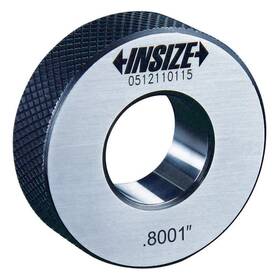
( Brand: Insize ), ( Manufacturer Part Number: 6313-1D6 ), ( Part Type: Ring ), ( UPC: 928640376740 )
Review INSIZE Setting Ring 1.6 Inch Dia Silver
The **Insize 6313-1D6 Setting Ring (1.6mm)** is a meticulously engineered precision tool designed for jewelers, watchmakers, and precision craftsmen who demand uncompromising accuracy in their work. Crafted from high-quality **stainless steel**, this setting ring features a robust, durable construction that ensures longevity even under rigorous use. The **1.6mm diameter** makes it ideal for delicate tasks such as securing small stones, prongs, or components in jewelry, watchmaking, or intricate mechanical assemblies where fine control is essential. Its **smooth, polished surface** reduces friction, allowing for effortless manipulation of materials without marring or damaging them, while the **ergonomic design** provides a comfortable grip for extended periods of use.
The **1D6 variant** distinguishes itself with a **precision-ground edge**, ensuring a snug, consistent fit around components without slipping or causing misalignment. This makes it particularly well-suited for tasks requiring **tight tolerances**, such as securing tiny gemstones, watch pins, or other miniature elements where even the slightest deviation could compromise the integrity of the assembly. The **internal diameter (6313)** is calibrated to accommodate a wide range of standard-sized components, from fine jewelry wires to watchmaking elements, offering versatility without sacrificing precision.
Beyond its technical specifications, the **Insize 6313-1D6** stands out for its **versatility in application**. Whether used in **jewelry setting**, **watch repair**, or **mechanical assembly**, its ability to apply consistent pressure without distortion ensures flawless results. The **smooth, rounded interior** prevents snagging or scratching delicate materials, while the **durable stainless steel construction** resists corrosion, ensuring reliability in both workshop and field environments. For professionals who require **precision, durability, and ease of use**, this setting ring is an indispensable tool, elevating the quality and efficiency of their craftsmanship.
### Pros and Cons of Buying a 1973 1976 Ford Mustang (1700cc/1.6L Engine) with a Setting Ring 6313-1D6
#### **Pros**
1. **Affordability** The 1.6L engine (commonly referred to as the "1700" or "Kent") is one of the most budget-friendly Ford Mustang options, especially in the early 1970s models. Parts and labor costs are generally lower compared to V8 Mustangs, making maintenance and repairs more accessible.
2. **Fuel Efficiency** The inline-four engine is significantly more fuel-efficient than V8-powered Mustangs, averaging around **15 20 MPG** in the city and **25 30 MPG** on the highway. This was a major selling point in the 1970s when fuel prices were rising.
3. **Simplicity & Reliability** The 1.6L engine is a straightforward design with fewer moving parts than a V8, which can translate to lower long-term maintenance costs if properly maintained. Many examples run reliably with basic upkeep.
4. **Lower Insurance Costs** Since these Mustangs are less powerful and less valuable than V8 models, insurance premiums are typically much lower, making ownership more affordable.
5. **Niche Appeal & Collectibility** The 1.6L Mustang is a rare and underrated variant, especially in later years (1975 1976). Enthusiasts appreciate its uniqueness, and well-preserved examples can gain value over time, particularly if they are low-mileage or come with originality.
6. **Easier to Modify** Swapping in a more powerful engine (such as a 2.3L Ford, 2.5L Mazda, or even a small V6) is a common modification, allowing owners to improve performance without excessive cost.
7. **Lower Depreciation Risk** Unlike high-performance Mustangs, the 1.6L model does not suffer from the same depreciation issues, making it a safer long-term investment if you plan to keep it for years.
8. **Good for Beginners** If you're new to Mustang ownership, the 1.6L engine provides a gentle introduction to classic Ford mechanics without the complexity of a V8.
---
#### **Cons**
1. **Weak Performance** The 1.6L engine produces only about **70 80 horsepower**, making the Mustang sluggish compared to contemporary V8 models. Acceleration and top speed are limited, which may be disappointing if you're looking for a more engaging driving experience.
2. **Rust Issues** Many early 1970s Mustangs, including the 1.6L models, suffer from rust, particularly in the floor pans, rocker panels, and wheel wells. A thorough inspection is essential before purchase.
3. **Limited Aftermarket Support** While parts exist, the 1.6L engine is not as widely supported by aftermarket manufacturers compared to more common Ford engines (e.g., 2.3L, 3.3L, or 5.0L). Finding specialized components can be challenging.
4. **Transmission & Drivetrain Weaknesses** The original three-speed manual (or automatic) transmissions in these Mustangs are not known for durability. Upgrading to a modern transmission (such as a Tremec T56 or a Ford 4R75E) may be necessary for reliability.
5. **Originality vs. Restoration Trade-Off** Many 1.6L Mustangs have been stripped for parts, leaving few truly original examples. If you want a fully restored car, costs can add up quickly. On the other hand, a project car may require significant investment in bodywork, mechanical repairs, and paint.
6. **Limited Market for High-End Use** Unlike V8 Mustangs, the 1.6L model is not commonly used for high-performance applications (e.g., drag racing, track use). If you plan to push the car hard, a more robust engine swap is likely necessary.
7. **Discontinued Production & Parts Scarcity** Ford discontinued the 1.6L engine in the early 1970s, meaning original parts (especially for the engine block, head, and gaskets) can become difficult to find over time. Rebuilding or restoring one may require sourcing parts from other Ford vehicles or aftermarket suppliers.
8. **Potential for Hidden Problems** The 1.6L engine is prone to issues such as:- **Head gasket failures** (common in later models due to overheating).
- **Rod bearing wear** (if the engine was not maintained properly).
- **Camshaft and lifter wear** (leading to rough idle or ticking noises).
- **Fuel system issues** (carburetors like the Ford Holley 2150 can develop leaks or performance problems).
9. **Resale Value Limitations** While the 1.6L Mustang is gaining a small following, it does not hold value like a well-maintained V8 or even a 2.3L Mustang. If you plan to sell later, you may not recoup as much as you invested.
10. **Driving Experience** The car s light weight (around **2,500 2,800 lbs**) and weak engine make it feel underpowered, especially when compared to modern standards or even other classic Mustangs. The ride can also be soft and noisy due to aging suspension and body panels.
---
### **Conclusion**
Buying a 1973 1976 Ford Mustang with a 1.6L engine can be a **great choice if**:- You prioritize **affordability, fuel efficiency, and low insurance costs**.
- You re okay with **modest performance** and plan to eventually swap the engine.
- You enjoy **restoration projects** or are content with a **daily driver that s not high-performance**.
- You appreciate **unique, underrated classics** and don t mind a niche market.
However, it may **not be the best fit if**:- You want a **fast, engaging, or high-revving Mustang**.
- You re looking for **minimal long-term maintenance** (rust and mechanical issues are common).
- You need a **reliable, low-effort car** without significant upkeep.
- You plan to **keep the original engine** without modifications (performance will always be limited).
---
### **Recommendation**
If you re **serious about Mustang ownership but want something more practical or budget-friendly**, the 1.6L model is worth considering **but only if you re prepared for potential challenges**. Here s how to approach it:
1. **Buy with Caution** Inspect the car thoroughly for **rust, engine condition, transmission health, and electrical issues**. A pre-purchase inspection by a trusted mechanic is highly recommended.
2. **Plan for Modifications Early** If you want better performance, budget for an **engine swap** (e.g., 2.3L Ford, 2.5L Mazda, or even a small V6). This will significantly improve drivability and reliability.
3. **Prioritize Rust Repair** If the car has rust, address it **immediately** to prevent structural compromise. This is often the most expensive part of restoring a 1970s Mustang.
4. **Consider a Project vs. Ready-to-Drive**
- A **project car** can be a great investment if you enjoy working on cars, but factor in **hidden costs** (e.g., transmission rebuilds, electrical fixes).
- A **restored or well-maintained example** (with a clean title and low miles) is safer but may cost more upfront.
5. **Join the Community** The 1.6L Mustang has a **dedicated but small fanbase**. Engaging with forums (e.g., Mustang Forum, Facebook groups) can provide **valuable advice, part sources, and restoration tips**.
6. **Set Realistic Expectations** This is **not a high-performance car**, nor is it a plug-and-play classic. If you want a **fun, reliable Mustang**, consider a **2.3L or 3.3L model** instead. But if you love **unique, underdog classics** and don t mind putting in work, the 1.6L can be a **rewarding and affordable** choice.
**Final Verdict:**- **Buy it if** you re okay with its limitations, plan to modify it, and enjoy the challenge of restoring a rare Mustang.
- **Avoid it if** you want a **low-maintenance, high-performance, or modern-feeling classic**.
For most buyers, a **1977 2.3L Mustang** (with the Ford 200 engine) offers a better balance of **performance, reliability, and aftermarket support** but the 1.6L remains a **fantastic find for those who appreciate its quirks**.
Details:
For example, the ordered size is .2, marked on setting ring when supplied may be .20008.: For zero setting of inside micrometers, three points internal micrometers and bore Gage's Deviation is the difference between ordered size marked on ring when supplied. Brand New INSIZE 6313-1D6 Setting Ring, 1.6 Dia, Silver, Manufacturer model: For zero setting of inside micrometers, three points internal micrometers and bore Gage's. However, this will not affect the shipping times.
part #: 63131d6 prices
- $134.99-$244.94
specifications locsedoo:
- brand: Insize
- mpn: 6313-1d6
- part type: Ring
- upc: 928640376740
offer locsedoo:
- sold: 0
- started: February 26, 2026
- options: Ship-to-home
- availability: In Stock
seller locsedoo:
- rating: 100.0%
- # reviews: 53202
- city: Within USA
general locsedoo:
- Building Hardware > doors Door Hardware > Door Locks Lock Mechanisms
- condition: New
shipping locsedoo:
- service: Standard
- type: Fixed
- transit: 2-6 Days
- cost: $0.00
- class: Standard
returns locsedoo:
- paid by: Seller
- policy: Returns Accepted
- method: Money back
- time: 30 Days
payments locsedoo:
- wallet: Paypal
- credit card: Mastercard
- other